Neurons and Synapses 101
Neurons and Synapses 101
The brain is often compared to a supercomputer, but what makes it truly extraordinary is the way it processes and transmits information through billions of specialized cells called **neurons**. These neurons communicate across tiny gaps known as **synapses**, forming an intricate network that allows us to think, move, feel, and learn. Every memory, reflex, and emotion begins with these connections. Understanding neurons and synapses gives us a glimpse into how the brain operates — an ongoing symphony of electrical and chemical activity happening every millisecond.
What Are Neurons?
Neurons are the brain’s communication units. Each one is a small, highly specialized cell designed to send and receive information. The average human brain contains around 86 billion neurons, each capable of forming thousands of connections with others. Together, they create the neural circuits that power thought, behavior, and learning.
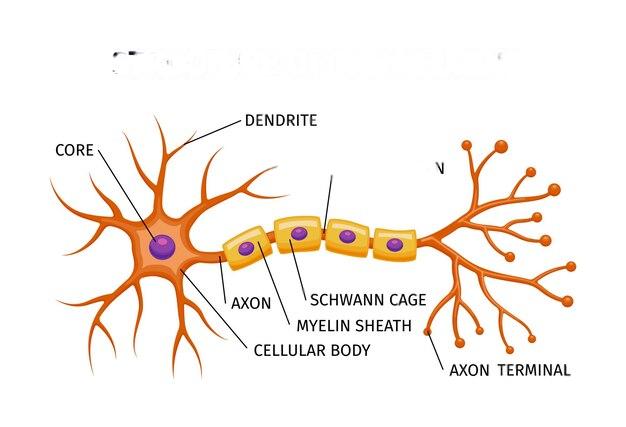
A neuron has three main parts: the **cell body (soma)**, **dendrites**, and **axon**. The cell body contains the nucleus and keeps the neuron alive. Dendrites act like antennas, receiving signals from other neurons. The axon, a long thin fiber, transmits electrical impulses away from the cell body to other neurons, muscles, or glands. At the end of each axon are tiny branches called **axon terminals**, which form synapses with other cells.
The Electrical Message: How Neurons Fire
Neurons communicate using small electrical signals called **action potentials**. When a neuron receives enough stimulation, it “fires” — sending an electrical impulse down its axon. This signal travels rapidly, much like an electrical current through a wire. Once the signal reaches the end of the axon, it needs to jump across the synapse to continue its journey. However, neurons do not touch; they rely on chemical messengers to carry the message forward.
What Are Synapses?
A **synapse** is the microscopic gap between two neurons. It’s where the electrical signal from one neuron gets converted into a chemical message so it can pass to the next. This conversion happens using **neurotransmitters**, special chemicals stored in vesicles at the axon terminal.
When an electrical impulse arrives at the synapse, it triggers the release of neurotransmitters into the gap. These molecules cross the space and bind to receptor sites on the receiving neuron’s dendrites. The binding process generates a new electrical signal, continuing the chain of communication. Afterward, the neurotransmitters are either broken down, reabsorbed, or recycled to keep the process efficient.
Neurotransmitters: The Brain’s Chemical Messengers
Different neurotransmitters have unique effects on the body and mind. **Dopamine** regulates pleasure, motivation, and reward. **Serotonin** influences mood, sleep, and appetite. **Acetylcholine** helps with learning and muscle movement, while **GABA** calms brain activity and prevents overstimulation. Maintaining a healthy balance of these chemicals is essential for mental and emotional stability.
Disruptions in neurotransmitter levels can contribute to mental health conditions. For example, low serotonin levels are linked to depression, and imbalances in dopamine can lead to Parkinson’s disease or addiction. These findings highlight how delicate and vital neural communication truly is.
Synaptic Plasticity and Learning
One of the brain’s most fascinating features is **synaptic plasticity** — the ability of synapses to strengthen or weaken over time based on activity. When you practice a skill or study new information, certain neural pathways are repeatedly activated, causing those synapses to grow stronger. This is how learning occurs and why repetition improves memory and performance.
On the other hand, unused connections may fade away — a process known as **synaptic pruning**. This keeps the brain efficient, ensuring that only the most useful and frequently used connections remain. It’s the brain’s way of optimizing itself for survival and adaptability.
How Neurons and Synapses Work Together
Imagine neurons as individual musicians and synapses as the instruments connecting them. A single neuron firing isn’t very meaningful — but when billions fire together in synchrony, they create the beautiful “music” of thought, memory, and emotion. Sensory input enters through neurons, gets processed by networks, and produces motor output — all through continuous synaptic exchange.
This collaboration happens astonishingly fast. Signals in neurons can travel up to 120 meters per second, and your brain can perform trillions of such communications in one moment. Every blink, idea, or heartbeat is controlled by this vast, silent orchestra.
Maintaining Healthy Neurons and Synapses
Healthy lifestyle habits can significantly improve neuron function and synaptic growth. **Exercise** increases oxygen flow and boosts neurogenesis (the creation of new neurons). **Adequate sleep** consolidates memories and clears toxins from neural pathways. A balanced diet rich in omega-3 fatty acids, antioxidants, and vitamins supports myelin and neurotransmitter production.
Learning new skills, engaging in creative activities, and social interaction all strengthen synaptic connections. Meanwhile, chronic stress, lack of sleep, and substance abuse can impair communication between neurons and weaken memory and concentration.
The Future of Neuroscience
Modern research continues to uncover how neurons and synapses shape human experience. Scientists are studying how to repair damaged synapses, enhance neuroplasticity, and use electrical stimulation or AI models to restore lost function. These advancements may one day revolutionize how we treat brain injuries, learning disorders, and neurodegenerative diseases.
Key Takeaways
- Neurons: The brain’s communication cells that send and receive electrical signals, forming the foundation of thought and behavior.
- Synapses: Tiny junctions between neurons where chemical messengers (neurotransmitters) transmit information.
- Neurotransmitters: Chemicals like dopamine, serotonin, and acetylcholine regulate mood, movement, and motivation.
- Synaptic plasticity: Learning and memory depend on strengthening connections through repetition and experience.
- Example: When you learn to play the guitar, your neurons form new synaptic links that get stronger with each practice session.
- Healthy habits: Exercise, sleep, good nutrition, and lifelong learning keep neurons active and synapses strong.
- Analogy: Neurons are the “wires” of the brain, and synapses are the switches that pass the signal to create thought and action.
- Awareness: Understanding neuron communication helps us appreciate the brain’s complexity and protect it through mindful living.
Disclaimer: These pages are for education only and do not replace professional advice.