Grey Matter vs White Matter
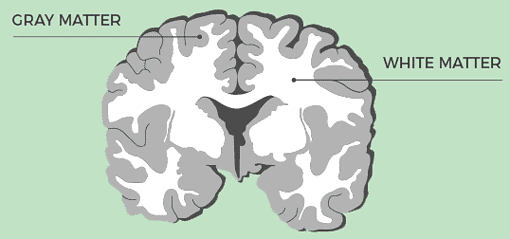
Grey Matter vs White Matter
The human brain is a masterpiece of organization and communication, made up of two key types of tissue: grey matter and white matter. These two components may look different, but together they allow us to think, move, feel, and learn. Grey matter handles the processing and decision-making, while white matter acts as the high-speed connection network that allows brain regions to talk to one another. Understanding how these two work together provides insight into how our thoughts become actions and how we learn and remember.
What Is Grey Matter?
Grey matter is composed primarily of neuron cell bodies, dendrites, and synapses — the parts of nerve cells that process and transmit information. It gets its characteristic greyish color from the high concentration of cell bodies and capillaries, rather than the fatty myelin that coats white matter. Grey matter is mainly found in the **cerebral cortex**, **cerebellum**, **basal ganglia**, and **brainstem nuclei**. This is where most of the brain’s “thinking” happens.
Every time you make a decision, solve a math problem, recognize a face, or experience emotion, your grey matter is hard at work. It is the control center for perception, reasoning, and voluntary movement. The more active your brain becomes, the more oxygen and energy your grey matter consumes to process information efficiently.
What Is White Matter?
White matter, on the other hand, is made up mostly of **axons** — the long, thread-like extensions of neurons that transmit electrical signals to other cells. These axons are covered in a fatty layer called **myelin**, which acts as insulation, giving white matter its light color. Myelin allows signals to travel faster and more efficiently across the brain, similar to high-speed internet cables connecting different regions.
White matter is found deep inside the brain, beneath the grey matter, and also within the spinal cord. It’s responsible for carrying messages between the cerebral cortex (the “thinking cap”) and the rest of the nervous system. This constant communication allows us to move smoothly, think quickly, and react instantly to our surroundings.
How Grey and White Matter Work Together
Think of grey matter as the “processor” and white matter as the “wiring.” Grey matter handles decision-making, while white matter transmits those decisions to the right place at lightning speed. For example, when you decide to pick up a pencil, grey matter in your motor cortex plans the movement, and white matter pathways deliver the signal to your hand muscles through the spinal cord.
Similarly, when you see something visually appealing, white matter rapidly carries the sensory input from your eyes to the occipital lobe for interpretation by grey matter. This teamwork ensures that your body and mind operate seamlessly, turning thought into motion and perception into understanding.
Development Across Life
Grey and white matter develop at different stages of life. In childhood and adolescence, grey matter expands as neurons form new connections, peaking during the teenage years. White matter, on the other hand, continues to increase in density into early adulthood as myelination improves signal transmission. This ongoing development is one reason why cognitive abilities like planning, impulse control, and reasoning continue to mature well into a person’s twenties.
As we age, some natural decline occurs — grey matter may shrink slightly, and white matter may lose some myelin. However, staying mentally and physically active helps slow this process and keeps both tissues healthy and functional.
Grey and White Matter in Learning and Memory
Learning and memory depend heavily on the balance between grey and white matter. Grey matter stores and processes information, while white matter allows that information to be shared across different brain regions. When you learn a new skill, such as playing a musical instrument or speaking another language, both types of matter adapt and strengthen — a process known as **neuroplasticity**.
Grey matter increases in the areas responsible for the new skill, while white matter strengthens its pathways, improving communication speed. This coordination between processing and transmission helps turn effortful learning into effortless mastery over time.
Disorders Related to Grey and White Matter
Damage or degeneration in either type of matter can cause neurological problems. Diseases such as **multiple sclerosis (MS)** attack myelin in white matter, slowing or blocking nerve communication, leading to weakness and loss of coordination. Conditions like **Alzheimer’s disease** or **stroke** can destroy grey matter, affecting memory, reasoning, and emotional control.
Even lifestyle choices can influence their health. Lack of sleep, chronic stress, or poor nutrition can reduce grey matter density or damage myelin integrity. On the other hand, exercise, mental challenges, and proper rest can strengthen both.
Keeping the Brain Balanced and Healthy
To support both grey and white matter, focus on maintaining a brain-healthy lifestyle. Aerobic exercise increases blood flow and oxygen supply to grey matter, while activities like puzzles, reading, and learning new skills enhance neural connections. A balanced diet rich in omega-3 fatty acids, antioxidants, and B vitamins promotes myelin formation and protects neurons.
Adequate sleep allows the brain to repair white matter and consolidate memory stored in grey matter. Avoiding excessive alcohol, smoking, and stress ensures that both tissues remain strong, flexible, and well-connected.
Key Takeaways
- Grey matter: Contains neuron cell bodies that handle decision-making, perception, and reasoning — it’s the brain’s “thinking” center.
- White matter: Made of myelinated axons that carry signals between regions — it’s the brain’s “communication network.”
- Collaboration: Grey matter processes ideas, while white matter delivers them efficiently to other areas for action.
- Example: When playing piano, grey matter plans each note and white matter transmits those instructions to your fingers in milliseconds.
- Development: Grey matter grows during childhood, while white matter matures through early adulthood to refine cognitive speed.
- Health risks: Loss of myelin or neuron damage can cause diseases like multiple sclerosis or Alzheimer’s.
- Healthy habits: Exercise, sleep, nutritious food, and lifelong learning support both processing and communication abilities.
- Analogy: Grey matter is the brain’s computer processor, and white matter is the network cable that keeps every part connected.
Disclaimer: These pages are for education only and do not replace professional advice.