Meet the Brainstem: Life Support
Meet the Brainstem: Life Support
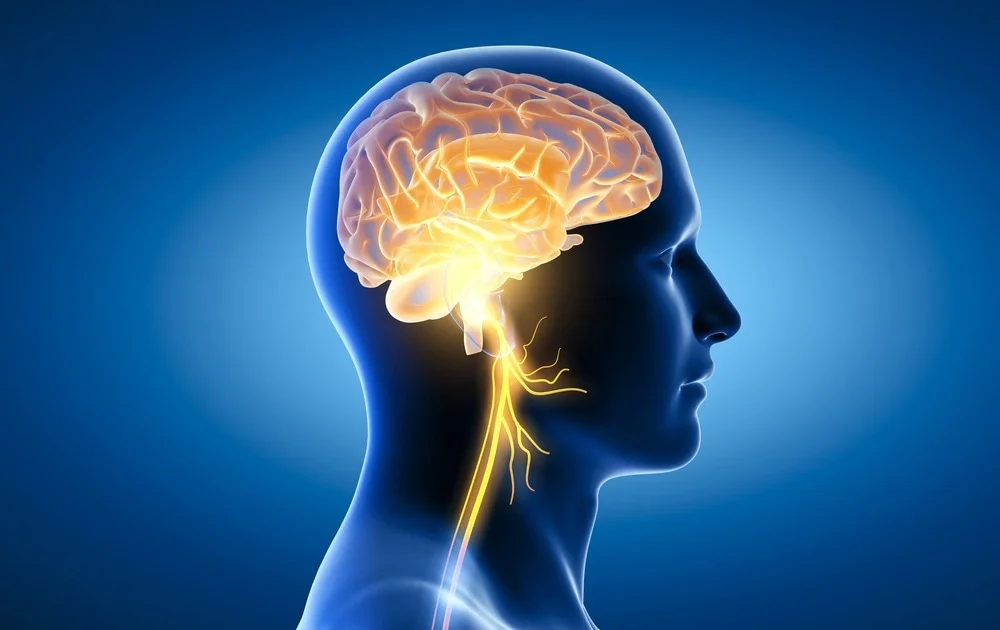
The brainstem is one of the most crucial parts of the human brain, often referred to as the body’s “life-support system.” Despite its small size, it performs powerful, automatic tasks that sustain life — controlling breathing, heart rate, swallowing, and even the ability to sleep and wake. The brainstem connects the brain to the spinal cord, ensuring that messages travel smoothly between the body and the brain. Without this vital link, the body would not be able to function or maintain survival for even a few seconds.
Location and Structure
The brainstem sits at the base of the brain, just above the spinal cord, and consists of three major parts: the **midbrain**, the **pons**, and the **medulla oblongata**. Each section has a unique and essential role in keeping the body alive and functioning properly.
1. The Midbrain: The topmost part of the brainstem, the midbrain, controls reflexes related to vision and hearing and helps regulate alertness. It also coordinates eye movements and body posture during motion, ensuring smooth orientation.
2. The Pons: The pons lies below the midbrain and serves as a communication bridge between the cerebrum and cerebellum. It plays a central role in controlling breathing rhythm and sleep patterns, helping transition between sleep stages.
3. The Medulla Oblongata: The lowest part of the brainstem, the medulla manages involuntary functions such as heart rate, blood pressure, digestion, and swallowing. It is the most critical component for life support — damage to the medulla can immediately stop breathing or heartbeat.
Core Functions of the Brainstem
While the cerebrum allows us to think and reason, and the cerebellum ensures coordination, the brainstem keeps our fundamental systems running in the background. It handles **autonomic control**, meaning it manages bodily functions without conscious thought.
The brainstem ensures that your **heart beats rhythmically** and your **lungs draw air automatically**, even when you are asleep or unconscious. It also regulates **blood pressure**, adjusts **breathing rate** based on oxygen levels, and triggers reflexes such as sneezing, coughing, and swallowing. These automatic reactions are coordinated perfectly every second of the day, keeping you safe without requiring your attention.
The Reticular Activating System: Gateway to Consciousness
Within the brainstem lies a network called the **Reticular Activating System (RAS)**. This system controls levels of consciousness, alertness, and attention. It determines whether you are awake, drowsy, or asleep and filters incoming information — deciding which sensory inputs deserve your focus. For instance, it allows you to wake up at the sound of your name while ignoring other background noises.
Everyday Examples of Brainstem Function
Every breath you take and every heartbeat you feel originates from brainstem activity. When you breathe faster while running or slow down while resting, the medulla and pons are automatically adjusting your respiratory rhythm. When you swallow food, the brainstem coordinates dozens of muscles to prevent choking.
Even balance and reflexes rely on the brainstem’s communication with the cerebellum and spinal cord. For example, if you trip, the brainstem triggers a rapid reflex that helps you regain posture before you even realize what happened. It is the ultimate multitasker — constantly maintaining order between conscious and unconscious functions.
Disorders and Damage
Injuries to the brainstem can be extremely serious because they affect life-sustaining functions. A **stroke** or **tumor** in this region can lead to loss of consciousness, irregular heartbeat, or difficulty breathing. Damage to the pons can cause paralysis or disruptions in sleep, while medulla injuries can stop breathing entirely. Even temporary issues such as **inflammation**, **infection**, or **concussion** can interfere with the brainstem’s delicate control systems.
Doctors can sometimes detect brainstem dysfunction through symptoms like dizziness, imbalance, speech difficulties, or an inability to control basic reflexes. Intensive medical care, rehabilitation, and therapy are often required for recovery.
Protecting the Brainstem
Since the brainstem is so vital, protecting it should always be a priority. Wearing a helmet during sports or cycling prevents serious injuries that could affect this area. Maintaining healthy blood pressure reduces stroke risk, while good sleep and hydration help regulate the autonomic nervous system controlled by the brainstem.
Practices like deep breathing, yoga, and meditation can also support the brainstem’s function by promoting calmness and regulating breathing and heart rate. Although we can’t consciously control the brainstem, we can nurture its health through overall wellness and stress management.
Why the Brainstem Matters
The brainstem may not be associated with creativity or intellect, but it is the foundation of all brain activity. It ensures that higher functions can operate by keeping the body stable and alive. Without this silent guardian, every other part of the brain would lose power — making it the most vital structure for human survival.
Key Takeaways
- The brainstem: The brain’s life-support system, controlling essential functions such as breathing, heartbeat, and consciousness.
- Main parts: Midbrain (reflexes and eye movement), Pons (breathing and sleep), Medulla oblongata (heartbeat and digestion).
- Example: You breathe, blink, and swallow automatically because your brainstem manages these reflexes without effort.
- Core role: Acts as the main communication highway between the brain and the rest of the body.
- Reticular Activating System (RAS): Maintains alertness and determines your level of consciousness.
- Disorders: Damage can lead to irregular breathing, loss of balance, paralysis, or even coma.
- Healthy habits: Protect your head, manage stress, sleep well, and maintain good cardiovascular health.
- Analogy: The brainstem is the “power station” of the body — silently running all vital systems that keep life going.
Disclaimer: These pages are for education only and do not replace professional advice.