How the Cerebellum Refines Movement
How the Cerebellum Refines Movement
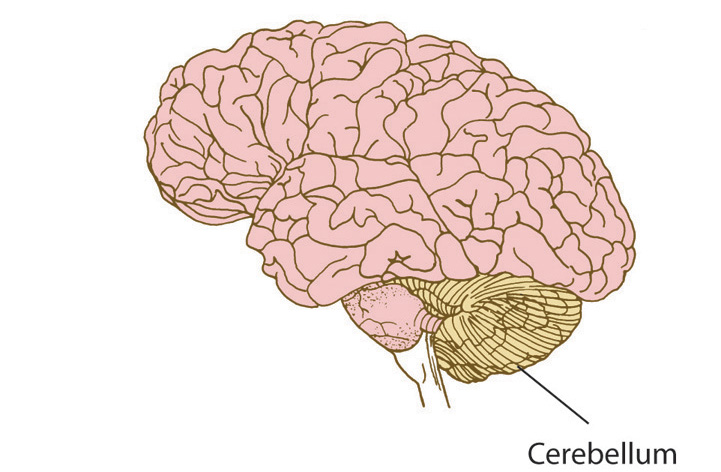
The cerebellum, often called the “little brain,” is a compact yet powerful structure that sits beneath the cerebrum, at the back of the skull. Although it makes up only about 10% of the brain’s total volume, it houses over half of the brain’s neurons — making it a critical control center for movement, balance, and coordination. Every smooth step you take, every precise gesture you make, and every skill you master is perfected by the cerebellum’s constant fine-tuning. Without it, even simple actions like writing or walking would become shaky and uncoordinated.
Location and Structure of the Cerebellum
The cerebellum lies just behind the brainstem and beneath the occipital lobes. It consists of two hemispheres and a central section called the vermis, which connects them. Its surface is covered in tightly folded ridges known as folia, giving it a highly wrinkled appearance that maximizes surface area. This unique design allows millions of neurons to fit within a small space, forming intricate communication networks.
Unlike the cerebrum, which initiates voluntary movement, the cerebellum’s role is to refine it. It ensures accuracy, rhythm, and balance by constantly comparing intended actions with the body’s actual performance — making tiny corrections within milliseconds. This precision is why we can move gracefully without conscious thought.
Functions of the Cerebellum
The cerebellum’s main responsibility is **motor coordination**. It integrates input from the sensory systems, spinal cord, and other brain regions to coordinate posture, timing, and force. When you reach out to grab a glass, for instance, your cerebellum determines how much muscle force is needed and when to stop to avoid spilling.
It also plays a key role in **balance and equilibrium**. The cerebellum receives signals from the inner ear, eyes, and muscles to keep the body upright. Whether you’re standing still or walking on uneven terrain, it constantly makes adjustments to stabilize your posture.
Another vital role is **motor learning** — the ability to improve performance through practice. When learning to ride a bicycle, play an instrument, or type on a keyboard, your cerebellum creates “motor memory.” Over time, movements become automatic, allowing you to perform them effortlessly.
How the Cerebellum Communicates
The cerebellum connects to the rest of the brain through three main pathways called **cerebellar peduncles**. These act like highways, carrying information in and out. Sensory feedback enters through these tracts, and corrective motor signals exit, enabling real-time adjustment.
For example, as you walk across a rocky surface, sensory receptors in your feet send signals about balance to the cerebellum. The cerebellum processes this information and instantly signals your leg muscles to shift weight, ensuring you don’t fall. This continuous loop of feedback and correction makes movement smooth and natural.
Everyday Examples of Cerebellar Function
Every action you perform — from tying your shoelaces to dancing — relies on the cerebellum’s precision. Athletes depend on it for balance, musicians for rhythm, and artists for steady hands. Even small activities like writing, brushing teeth, or catching a ball involve thousands of cerebellar calculations per second.
When you pour a drink, for instance, your cerebellum compares what your eyes see with what your hands are doing, adjusting the movement to control speed and pressure. Without it, your hands would tremble, and coordination would fail. It’s the brain’s built-in quality controller for motion.
Disorders Affecting the Cerebellum
Damage to the cerebellum can result in a condition called **ataxia**, which causes loss of coordination, balance issues, and unsteady movement. People with cerebellar damage may have difficulty speaking clearly or performing tasks requiring precise control. Alcohol temporarily affects the cerebellum as well, which is why intoxication leads to slurred speech and poor balance.
Long-term disorders can arise from stroke, injury, or degenerative diseases like multiple system atrophy. Physical therapy, balance training, and consistent rehabilitation can help patients retrain neural circuits and recover lost motor function by strengthening alternative pathways.
The Cerebellum Beyond Movement
For many years, scientists believed the cerebellum’s role was limited to motor function. However, modern research shows it also contributes to **cognitive processes** such as attention, language, and emotional regulation. Connections between the cerebellum and prefrontal cortex suggest it helps refine thought patterns the same way it refines movement — by smoothing out inconsistencies and improving timing.
In this way, the cerebellum influences how we think, speak, and even feel. It’s involved in maintaining mental rhythm — ensuring that our thoughts, like our movements, remain fluid and organized.
Keeping the Cerebellum Healthy
Good health habits keep the cerebellum functioning optimally. Regular physical activity strengthens coordination and increases blood flow to the brain. Balance-based exercises like yoga, swimming, or cycling are particularly effective. Adequate sleep helps the cerebellum consolidate motor memory — the process of turning practice into long-term skill.
A nutritious diet rich in antioxidants, vitamins, and omega-3 fatty acids supports neuron health. Avoiding alcohol and smoking prevents damage to delicate cerebellar tissue. Finally, learning new skills and engaging in rhythmic activities like dancing or playing music keeps cerebellar circuits active and adaptable.
Key Takeaways
- The cerebellum: A compact, neuron-rich “little brain” responsible for balance, precision, and smooth coordination.
- Core function: It continuously compares intended movement with actual motion, sending corrective signals to refine every action.
- Example: When you learn to play the piano, your cerebellum helps adjust hand timing and rhythm until it becomes effortless.
- Motor learning: It stores “muscle memory,” allowing repeated actions to become automatic through practice.
- Beyond movement: The cerebellum also contributes to language, focus, and emotional regulation, improving both thought and motion.
- Disorders: Damage causes ataxia, tremors, and balance problems — highlighting its role in stability and control.
- Healthy habits: Exercise, rest, proper nutrition, and avoiding alcohol support cerebellar performance and coordination.
- Analogy: Think of the cerebellum as the body’s “coach,” constantly analyzing and correcting every movement to ensure flawless performance.
Disclaimer: These pages are for education only and do not replace professional advice.