Inside the Limbic System
Inside the Limbic System
The limbic system is often described as the “emotional brain” — the part of the human brain that shapes how we feel, react, and remember. It is a complex network of structures located deep within the cerebrum, bridging the gap between instinct and reason. Every smile, fear, or burst of excitement you experience can be traced back to this interconnected system. It doesn’t just control emotion; it also manages motivation, memory, and survival responses, influencing nearly every decision we make.
The Emotional Core of the Brain
Positioned between the brainstem and the cerebral cortex, the limbic system acts as a link between primitive reflexes and higher thinking. It controls the body’s fight-or-flight response, emotional learning, and reward-based behaviors. The limbic system allows humans to attach emotional meaning to memories, driving our actions with both instinct and purpose. Without it, emotions would be flat and experiences meaningless.
Major Structures of the Limbic System
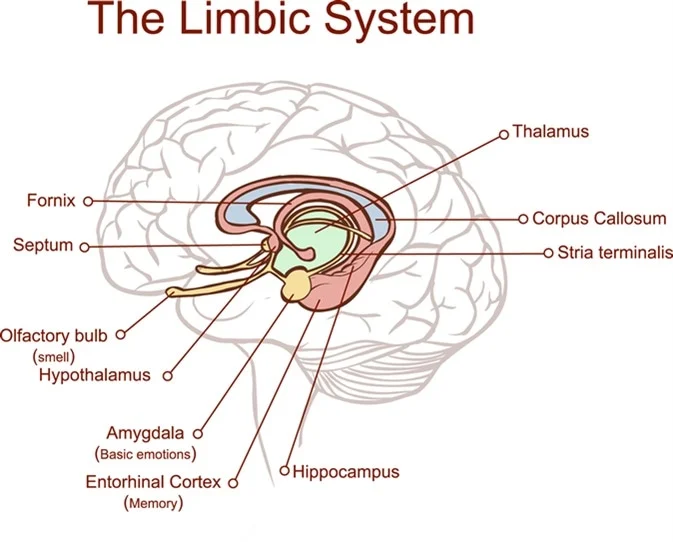
1. The Amygdala – The Emotion and Fear Center: The amygdala, a small almond-shaped cluster of neurons, plays a crucial role in emotional processing — especially fear, anger, and pleasure. It helps us recognize danger, form emotional memories, and respond appropriately. When you feel startled by a loud noise or joyful after success, your amygdala is at work.
2. The Hippocampus – The Memory Maker: Shaped like a seahorse, the hippocampus is the brain’s memory factory. It converts short-term experiences into long-term memories, allowing us to recall names, places, and facts. The hippocampus also helps with spatial navigation — remembering routes or familiar surroundings. Damage to this region can cause difficulty forming new memories, as seen in amnesia patients.
3. The Hypothalamus – The Body’s Regulator: The hypothalamus maintains internal balance (homeostasis) by regulating hunger, thirst, sleep, and hormones. It connects the nervous system to the endocrine system, ensuring the body reacts appropriately to stress, temperature changes, and emotional states. When you blush, sweat, or feel your heart race, your hypothalamus is managing those automatic responses.
4. The Thalamus – The Sensory Relay Station: The thalamus sits atop the brainstem and acts as the brain’s “post office.” It receives incoming sensory information — except for smell — and sends it to the correct regions of the brain for processing. It also helps link sensory experiences to emotional reactions, such as feeling calm after hearing soothing music.
5. The Cingulate Gyrus – The Bridge Between Thought and Feeling: The cingulate gyrus connects emotional impulses with logical decision-making. It helps regulate empathy, impulse control, and attention. When you feel compassion for someone or control anger before reacting, this structure is balancing emotion and reasoning.
How the Limbic System Works
The limbic system operates like an emotional orchestra — each structure plays a unique part, but harmony emerges only when they work together. When you experience an emotional event, sensory information first passes through the thalamus, which sends it to the amygdala for an instant emotional evaluation. The hippocampus compares it with past experiences, while the hypothalamus triggers physical reactions like faster heartbeat or sweating. Finally, the frontal cortex interprets the event logically and helps you respond appropriately.
This dynamic teamwork allows the brain to process emotions in milliseconds — deciding whether to stay calm, feel joy, or take action. It’s a survival mechanism that helps humans navigate both danger and reward.
The Limbic System and Memory
Emotion and memory are deeply intertwined. Experiences that carry emotional weight — like winning an award or facing danger — are stored more vividly by the limbic system. The amygdala “tags” emotional experiences, while the hippocampus records them, making recall stronger. However, chronic stress can disrupt this process. Overactivation of the amygdala may lead to anxiety or fear-based memories, while stress hormones can shrink the hippocampus, affecting learning and concentration.
Everyday Impact of the Limbic System
The limbic system affects everything from motivation to social bonding. When you feel inspired to achieve a goal, comforted by a hug, or moved by music, your limbic network is active. It connects your emotional state with behavior, encouraging actions that promote happiness, safety, or connection. In relationships, the limbic system helps interpret emotional cues, empathy, and trust — all essential for human connection.
Even creativity is linked to this system. By blending memory, emotion, and imagination, the limbic system fuels artistic expression and innovation. When balanced, it enriches both thought and feeling; when overstimulated, it can lead to stress or impulsivity.
Keeping the Limbic System Healthy
Maintaining limbic health is essential for emotional stability and mental clarity. Regular exercise increases oxygen flow to the hippocampus, enhancing mood and memory. Mindfulness, meditation, and deep breathing calm the amygdala, reducing stress. Healthy relationships and social interaction activate the brain’s reward circuits, fostering happiness. A balanced diet, good sleep, and creativity also nurture the limbic system’s resilience.
Learning to manage stress and emotions effectively can help keep this system in harmony, ensuring that reason and feeling work together — not against each other.
Key Takeaways
- The limbic system: A network of brain structures that control emotion, memory, and motivation — bridging instinct with reasoning.
- Major structures: Amygdala (emotion), hippocampus (memory), hypothalamus (regulation), thalamus (sensory relay), and cingulate gyrus (emotional balance).
- Example: When you feel startled by a loud noise, the amygdala triggers fear, the hypothalamus raises heart rate, and the hippocampus recalls past experiences.
- Emotion-memory link: Strong emotional experiences create long-lasting memories through collaboration between the amygdala and hippocampus.
- Healthy function: A balanced limbic system helps regulate stress, empathy, focus, and emotional well-being.
- Self-care tips: Exercise, sleep, mindfulness, and positive social connections strengthen limbic health.
- Analogy: Think of the limbic system as your emotional compass — guiding your reactions, memories, and motivations toward balance and understanding.
- Awareness: Understanding how the limbic system works helps us appreciate the deep connection between emotions, behavior, and mental health.
Disclaimer: These pages are for education only and do not replace professional advice.