Neuroplasticity: The Brain that Adapts
Neuroplasticity: The Brain That Adapts
The human brain is often described as the most complex structure in the known universe — and one of its most fascinating abilities is **neuroplasticity**, the power to adapt, reorganize, and form new connections throughout life. Once thought to be fixed after childhood, the brain is now known to remain dynamic and capable of growth at any age. Neuroplasticity is what allows us to learn new skills, recover from injury, and even reshape our habits and thought patterns. It is, quite literally, the brain’s ability to change itself.
What Is Neuroplasticity?
Neuroplasticity refers to the brain’s ability to **rewire its neural pathways** in response to learning, experience, or damage. This process happens when neurons form new connections or strengthen existing ones through repetition and experience. It’s the biological foundation of learning and memory — every time you acquire a new skill or recall a memory, your brain’s structure changes slightly.
For example, when you learn to play the guitar, neurons in your motor cortex, auditory cortex, and sensory areas communicate more efficiently. Over time, their repeated activation strengthens the connections between them, allowing your fingers to move smoothly and your brain to recall chords automatically. That’s neuroplasticity in action.
How Neuroplasticity Works
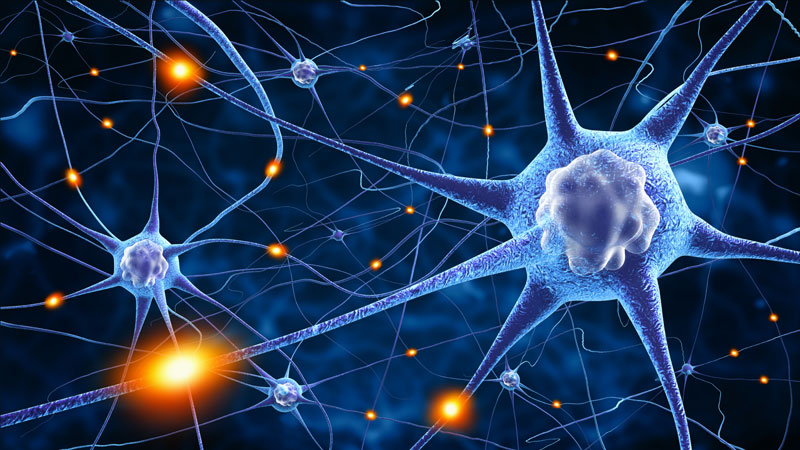
The brain communicates through billions of neurons connected by synapses. When neurons repeatedly fire together, they form stronger connections — a principle famously summarized by psychologist Donald Hebb as, “Neurons that fire together, wire together.” This process, known as **synaptic plasticity**, increases the efficiency of communication between neurons.
Conversely, connections that aren’t used regularly may weaken and fade — a phenomenon called **synaptic pruning**. This is why practice reinforces skills, while disuse can cause you to forget. The brain continually reorganizes itself to favor efficiency, strengthening useful connections and eliminating unnecessary ones.
Types of Neuroplasticity
There are two main forms of neuroplasticity: **functional plasticity** and **structural plasticity**.
Functional plasticity is the brain’s ability to shift functions from a damaged area to an undamaged one. For example, after a stroke, neurons in other regions may take over lost functions, allowing patients to regain movement or speech through rehabilitation.
Structural plasticity involves the brain physically changing its structure — growing new neurons, dendrites, or synapses in response to learning and experience. This type of plasticity is especially evident in the hippocampus, the brain’s memory center, where new neurons can continue to form throughout life.
Neuroplasticity Across the Lifespan
While neuroplasticity is most active during childhood, when the brain is rapidly developing, it never stops. In fact, adults can continue to rewire their brains through consistent learning, mental exercise, and lifestyle habits. This ongoing adaptability explains how people can learn new languages, recover from trauma, or master new technologies even in later life.
However, age and environment do influence the rate of neuroplastic change. A stimulating environment, social interaction, and physical activity all boost neural growth. Conversely, stress, isolation, and inactivity can reduce plasticity over time. The good news is that it can always be reignited through effort and engagement.
Real-World Examples of Neuroplasticity
Examples of neuroplasticity are everywhere. When a person learns to read Braille, their brain’s touch-processing area in the somatosensory cortex expands. Musicians often develop larger auditory and motor regions due to years of practice. Stroke survivors can relearn how to walk or talk as their brains reassign functions to new areas.
Even emotional resilience depends on neuroplasticity. Through mindfulness, meditation, and cognitive therapy, individuals can retrain their brains to manage stress and reframe negative thought patterns. This mental flexibility is one reason why long-term habits and emotional responses can be changed with patience and repetition.
Neuroplasticity and Learning
Learning anything new — from a language to a sport — triggers neuroplasticity. Each practice session activates neural circuits that become stronger over time. Mistakes and challenges are essential to this process; they push the brain to adapt and build new pathways. Sleep then plays a crucial role in consolidating these connections, turning short-term learning into long-term memory.
In education, understanding neuroplasticity helps explain why effort and repetition matter more than innate talent. It’s not just the number of neurons you have but how efficiently they communicate that determines success.
Neuroplasticity and Mental Health
Neuroplasticity also underlies recovery from mental health conditions. Therapies such as **Cognitive Behavioral Therapy (CBT)** work by reshaping harmful neural patterns and replacing them with healthier ones. Practices like meditation and gratitude have been shown to strengthen regions of the brain associated with emotional regulation and empathy.
This adaptability demonstrates that mental health is not fixed — with consistent positive behavior, the brain can literally rewire itself toward greater resilience and well-being.
How to Boost Neuroplasticity
There are many ways to enhance the brain’s natural ability to adapt:
- Keep learning: Challenge yourself with new skills like languages, instruments, or puzzles.
- Exercise regularly: Physical activity increases blood flow and releases brain-derived neurotrophic factor (BDNF), a protein that supports neural growth.
- Sleep well: Deep sleep consolidates new connections formed during the day.
- Practice mindfulness: Meditation strengthens attention and emotional control networks.
- Eat for your brain: Omega-3 fatty acids, antioxidants, and hydration improve neuron health and communication.
These simple habits promote lifelong learning and protect against cognitive decline.
The Power of Change
Neuroplasticity proves that change is always possible — not just in what we learn, but in how we think and feel. It’s the science behind recovery, growth, and transformation. Every new experience, skill, or idea literally reshapes the wiring of your brain. Whether overcoming hardship or learning something new, neuroplasticity reminds us that we are never stuck — the brain remains capable of renewal at every age.
Key Takeaways
- Neuroplasticity: The brain’s lifelong ability to reorganize and form new neural connections through learning and experience.
- Two types: Functional (reassigning functions after damage) and Structural (growing new neurons and synapses).
- Example: A stroke survivor relearning to speak or a musician improving rhythm through practice demonstrates neuroplastic change.
- Learning and memory: Repetition strengthens neural connections; sleep and focus consolidate them.
- Mental health: Therapy and mindfulness reshape harmful patterns into healthier ones through neural rewiring.
- Healthy habits: Exercise, sleep, proper nutrition, and continued learning boost neuroplasticity and cognitive flexibility.
- Analogy: The brain is like a living garden — experiences plant new seeds, and practice helps them grow into stronger connections.
- Awareness: Understanding neuroplasticity empowers us to take charge of personal growth, mental health, and lifelong learning.
Disclaimer: These pages are for education only and do not replace professional advice.